
Echinacea Purpurea & Astragalus Innate Defense Elixir
Alkylamide & polysaccharide macrophage activation for acute immune readiness
Clinical Abstract & Rationale
An acute immune primer uniting whole fresh Echinacea root with Astragalus root tongues and high-vitamin C rosehips to elevate salivary Secretory IgA (sIgA) antibodies and white blood cell phagocytosis.
This dual-action botanical infusion pairs the fast-acting surface macrophage activation of Echinacea purpurea with the slow, deep marrow-toning attributes of Astragalus membranaceus. The characteristic tongue-tingling sensation elicited by quality Echinacea is proof of lipophilic isobutylamides crossing the oral mucosa to interact directly with peripheral cannabinoid CB2 receptors.
Pharmacological Mechanism of Action
Alkylamides in Echinacea bind cannabinoid CB2 receptors on peripheral immune cells, triggering rapid interleukin-10 upregulation and macrophage motility. Astragalosides support telomeric stability in CD4+ T-helper cells, reinforcing natural killer cell defenses against seasonal pathogens.
Botanical Ingredients & Synergists Matrix
Every botanical component is chosen for specific phytoconstituents and biochemical co-factor compatibility.
Whole Echinacea Root & Herb
Echinacea purpurea
Astragalus Tongue Root
Astragalus membranaceus
Organic Wild Rosehips
Rosa canina
Fresh Ginger Slices
Zingiber officinale
Master Apothecary Preparation Guide
Follow these sequential extraction instructions to protect delicate volatile terpenes and maximize bio-assimilation.
Chronobiology & Administration Schedule
Drink 20 minutes before breakfast to awaken gut mucosal lymphoid tissue (GALT).
Consume between lunch and dinner for sustained immune vigilance.
Safety Profile & Contraindications
Those with ragweed allergies (Asteraceae family) should introduce echinacea gradually.
Discontinue during organ transplant immunosuppressive therapy.
Peer-Reviewed Clinical Literature
Frequently Asked Questions
Why does Echinacea cause a tingling or numbing sensation on the tongue?
This tingling is caused by bioactive alkylamides (specifically dodeca-2E,4E,8Z,10E/Z-tetraenoic acid isobutylamides). It is the recognized phytochemical marker of high-potency, properly harvested fresh root material.
How long should this cycle be maintained?
For acute readiness, 7 to 10 consecutive days is the clinical standard. Alternatively, adopt an intermittent pulse protocol: 3 days on, 4 days off during high-exposure seasons.
Need a personalized protocol tailored to your biomarkers?
Connect directly with clinical phytotherapists to formulate custom remedies, coordinate drug-herb compatibility, and monitor your long-term vitality.
Related Protocols
View All Articles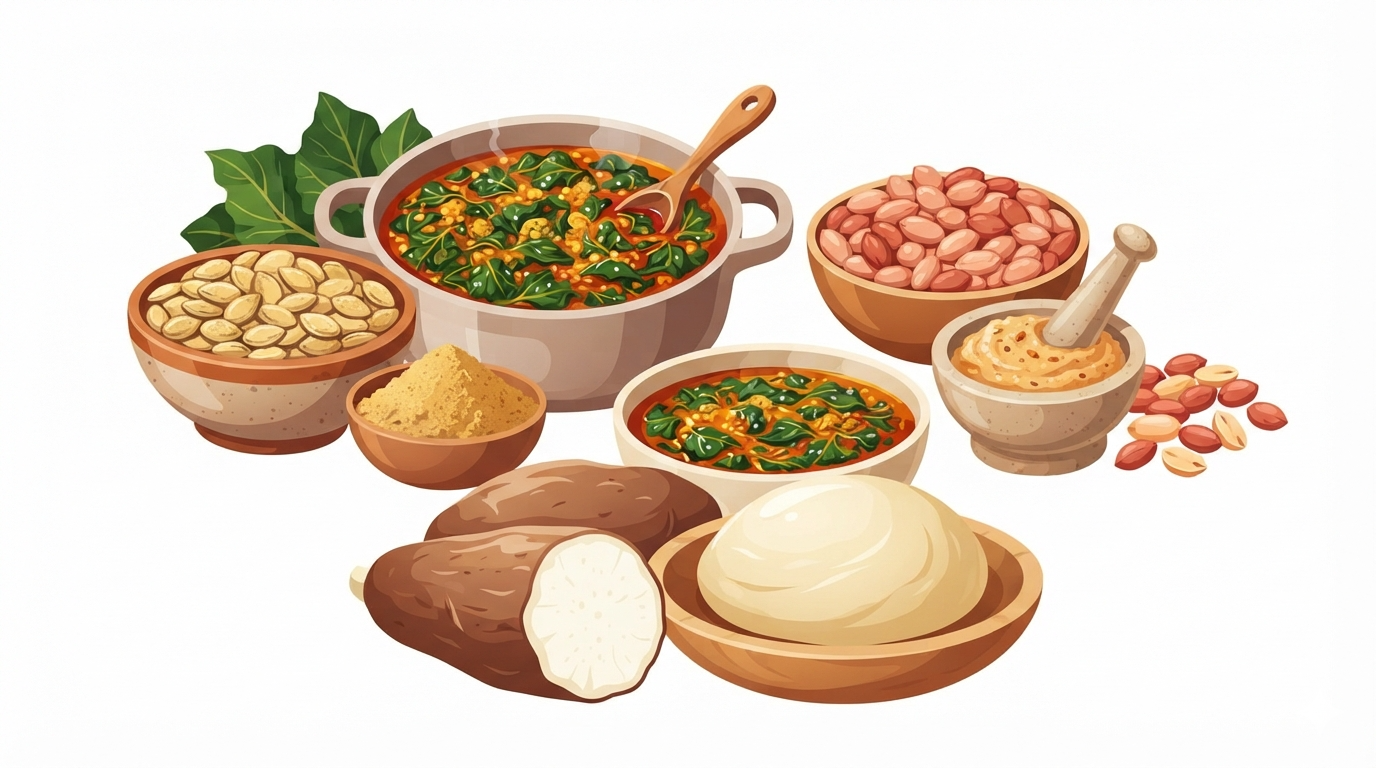
Weight-Gain Essentials
A whole-food weight-gain plate built on egusi, groundnuts and white yam — calorie-dense protein, healthy fats and premium carbohydrates that support lean tissue rather than empty calories.
GABAergic Nervine & Deep Sleep Protocol
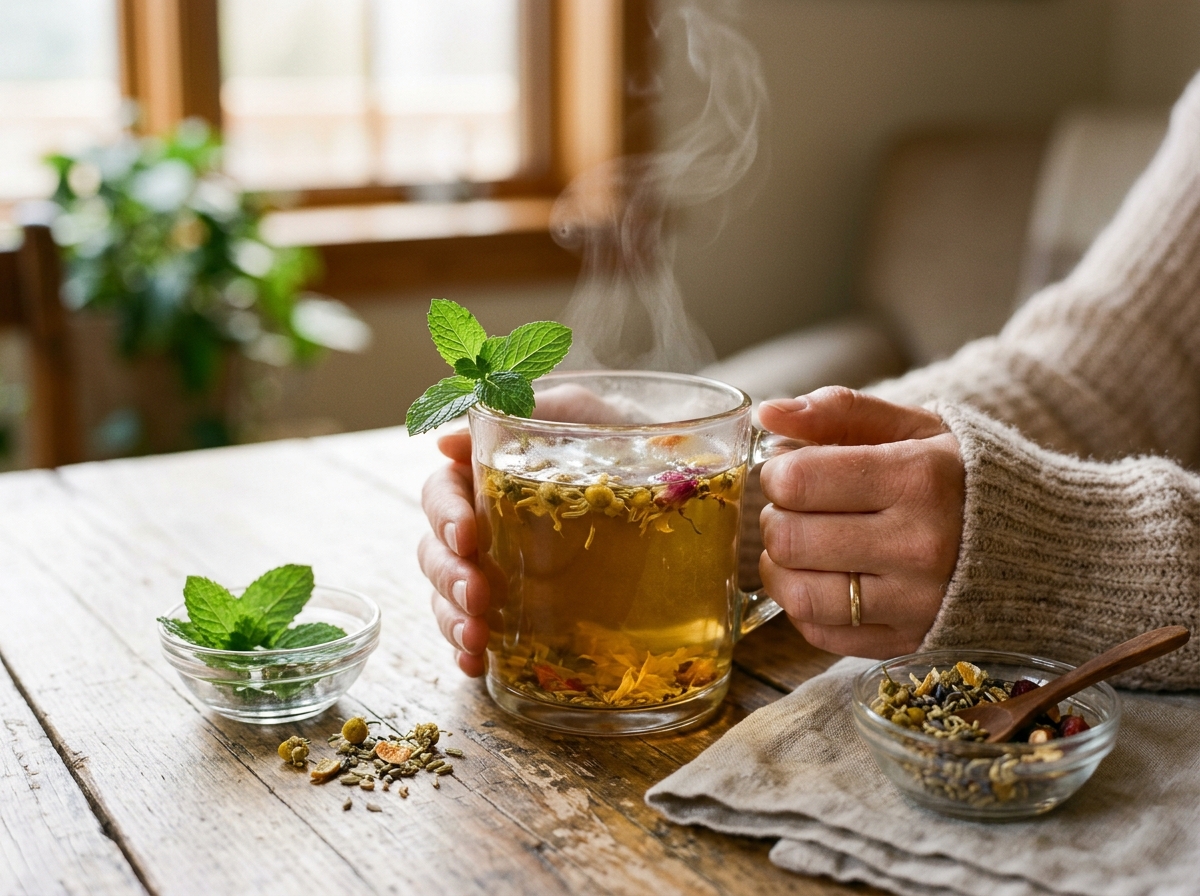
A restorative evening infusion harnessing passionflower, lemon balm, and chamomile to soothe an overstimulated central nervous system, quiet mental loops, and lengthen regenerative slow-wave sleep phases.
Golden Rhizome Joint & Anti-Inflammatory Protocol
A time-honored Ayurvedic preparation engineered for maximum lipid-bound bioavailability to support flexible joints, reduced morning stiffness, and oxidative defense.