
Black Elderberry & Polyphenol Immune Shield
High-potency anthocyanin matrix for mucosal barrier defense & seasonal resilience
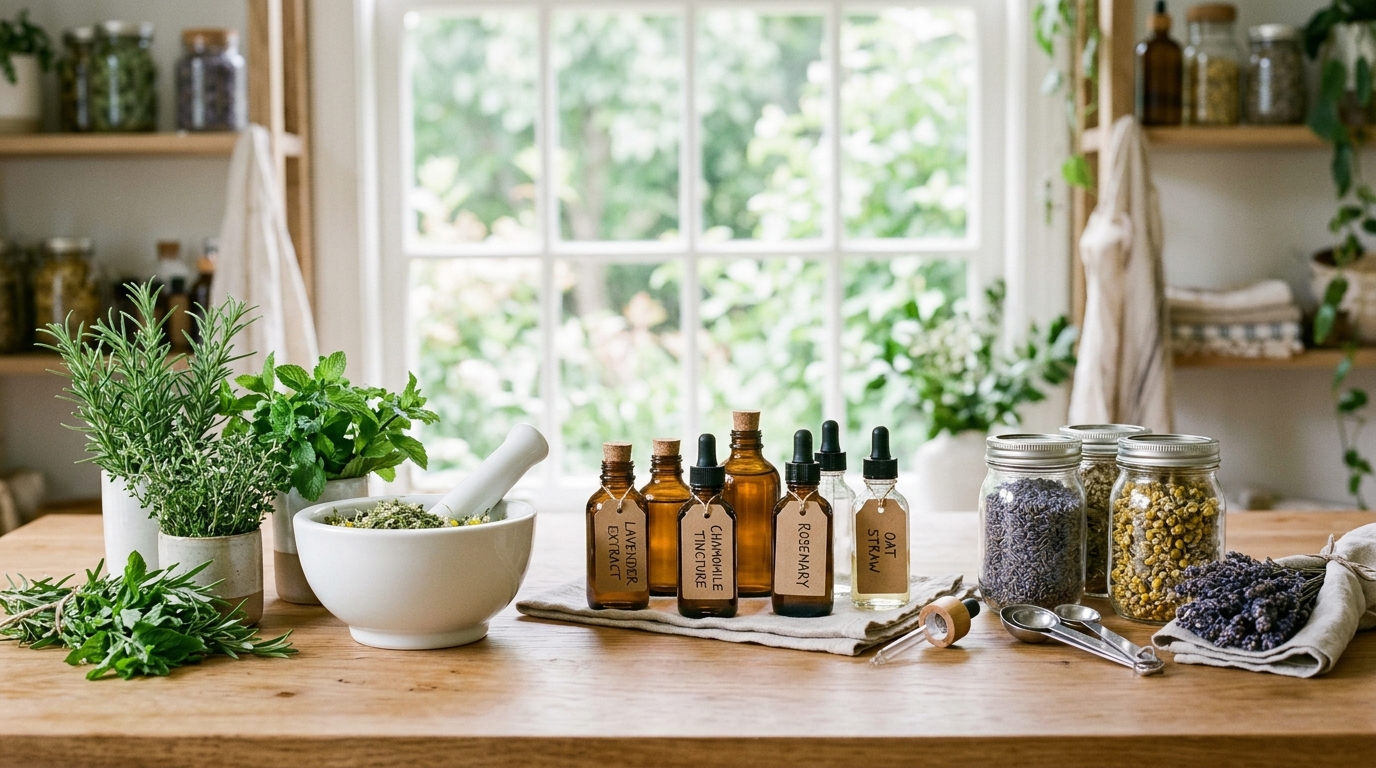
Clinical Abstract & Rationale
A concentrated whole-plant syrup and decoction providing potent anthocyanidin glycosides that seal respiratory mucosa and interrupt viral binding affinities during seasonal vulnerability.
Elderberry (Sambucus nigra) has been a cornerstone of traditional European folk apothecary for centuries, revered for its ability to shield the respiratory tract during seasonal transitions. Modern chromatographic analyses demonstrate that the berry’s deep crimson-violet hue is driven by high-density anthocyanidins, notably cyanidin-3-glucoside and cyanidin-3-sambubioside. When combined with Astragalus polysaccharides, this formulation acts as both a mucosal barrier defense and a deep immune tonic.
Pharmacological Mechanism of Action
Sambucus nigra anthocyanins bind viral hemagglutinin spikes, blunting cellular entry and replication. High molecular weight polysaccharides stimulate Peyer’s patches and macrophage phagocytosis, increasing salivary Secretory Immunoglobulin A (sIgA) mucosal titer.
Botanical Ingredients & Synergists Matrix
Every botanical component is chosen for specific phytoconstituents and biochemical co-factor compatibility.
Organic European Black Elderberries
Sambucus nigra
Astragalus Root Slices
Astragalus membranaceus
Wild Whole Cloves
Syzygium aromaticum
Raw Unfiltered Manuka or Wildflower Honey
Mel
Master Apothecary Preparation Guide
Follow these sequential extraction instructions to protect delicate volatile terpenes and maximize bio-assimilation.
Chronobiology & Administration Schedule
Take in the morning straight or stirred into sparkling mineral water with a squeeze of fresh lime.
Initiate within the first 24–48 hours of seasonal throat scratchiness or chills for 3 consecutive days.
Safety Profile & Contraindications
Do not give raw honey to infants under 12 months of age.
Individuals with active systemic autoimmune flares should cycle astragalus under professional clinical supervision.
Peer-Reviewed Clinical Literature
Frequently Asked Questions
Can I consume elderberry syrup daily all winter long?
Yes, a standard maintenance dose of 1 tablespoon (15 ml) once daily is well-tolerated throughout cold weather months. During acute onset, dosage can be safely increased to 1 tablespoon every 4 hours for up to 3 to 5 days.
Why must elderberries be thoroughly cooked in decoction?
Raw elderberries contain sambunigrin, a cyanogenic glycoside that can cause mild gastrointestinal irritation or nausea. Gentle boiling for 25 to 30 minutes completely volatilizes and neutralizes this compound, leaving behind safe, heat-stable anthocyanidins.
Can children take this elderberry formula?
Children over 1 year of age may take reduced dosages (1 to 2 teaspoons). Never administer formulas containing raw honey to infants under 12 months due to infant botulism risks.
Need a personalized protocol tailored to your biomarkers?
Connect directly with clinical phytotherapists to formulate custom remedies, coordinate drug-herb compatibility, and monitor your long-term vitality.
Related Protocols
View All Articles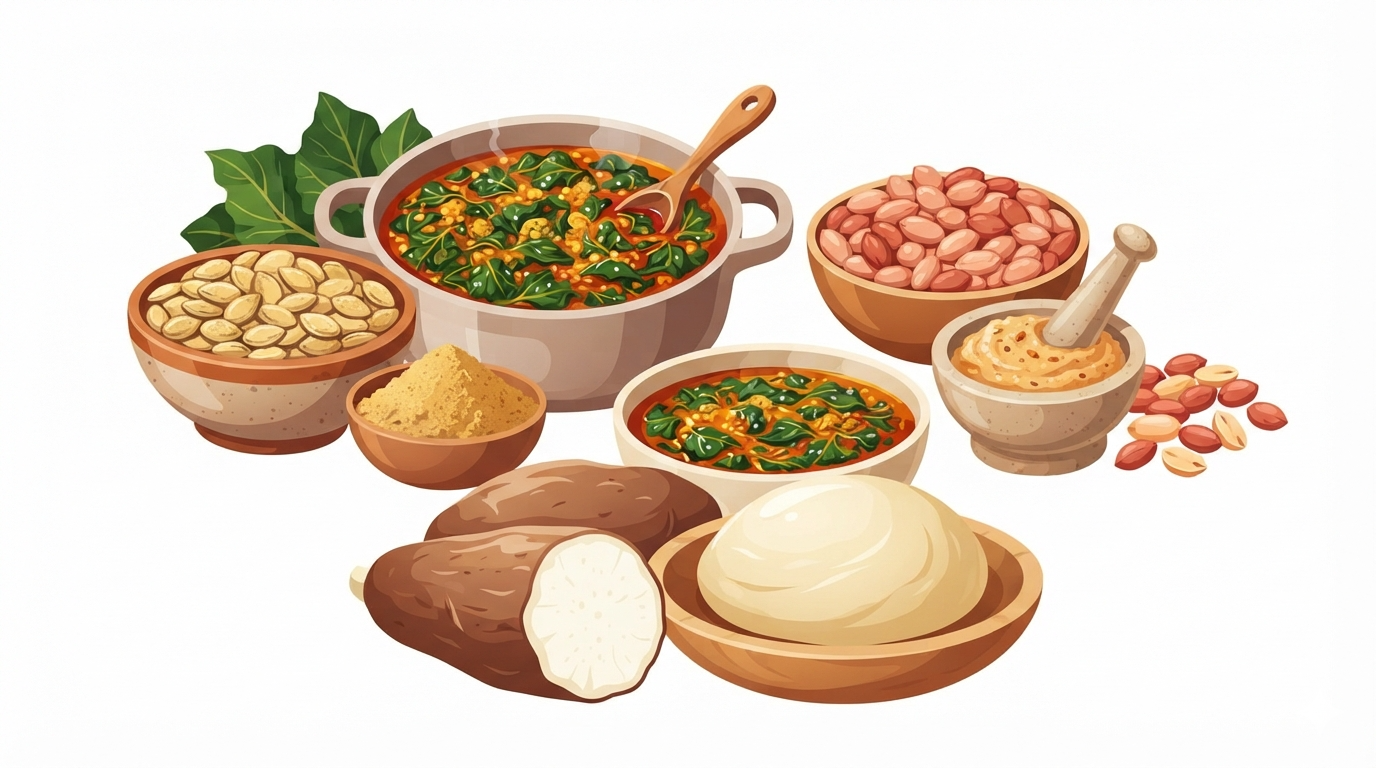
Weight-Gain Essentials
A whole-food weight-gain plate built on egusi, groundnuts and white yam — calorie-dense protein, healthy fats and premium carbohydrates that support lean tissue rather than empty calories.
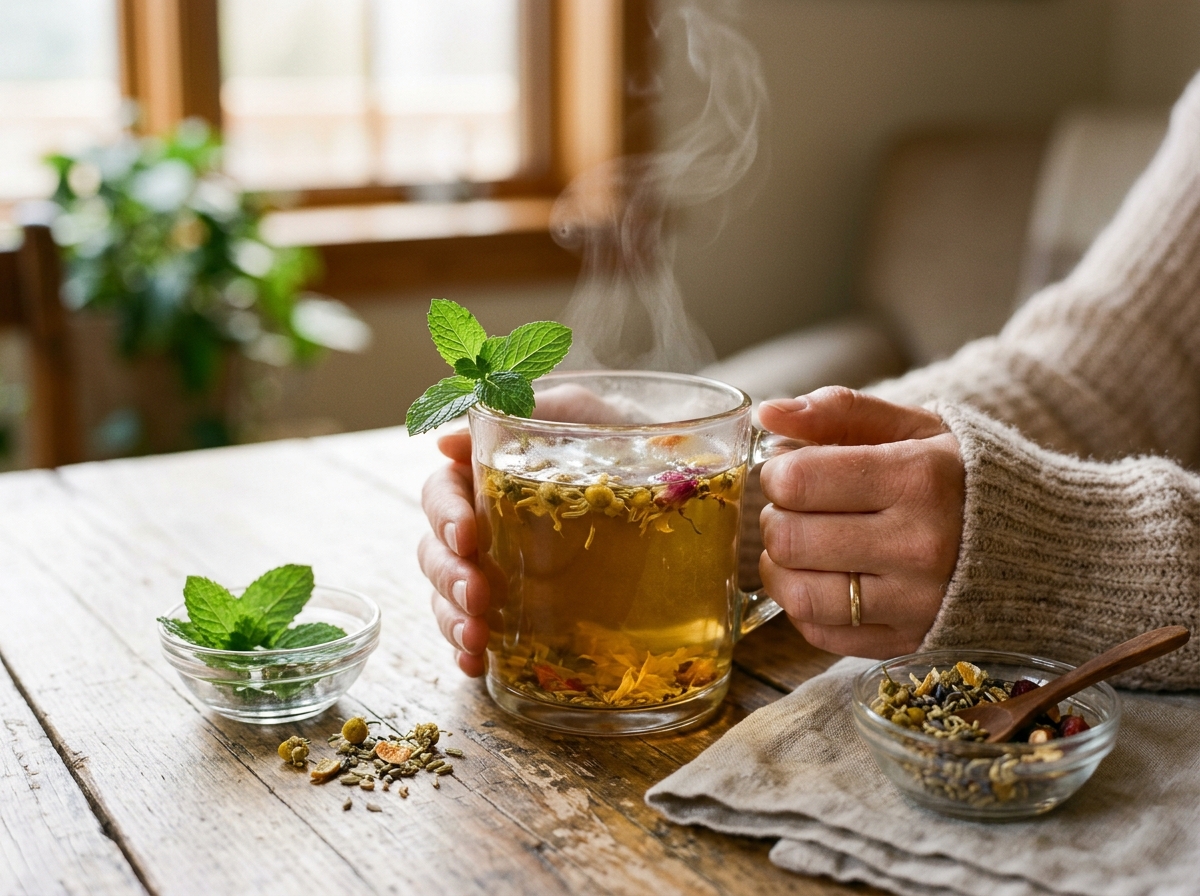
GABAergic Nervine & Deep Sleep Protocol
A restorative evening infusion harnessing passionflower, lemon balm, and chamomile to soothe an overstimulated central nervous system, quiet mental loops, and lengthen regenerative slow-wave sleep phases.
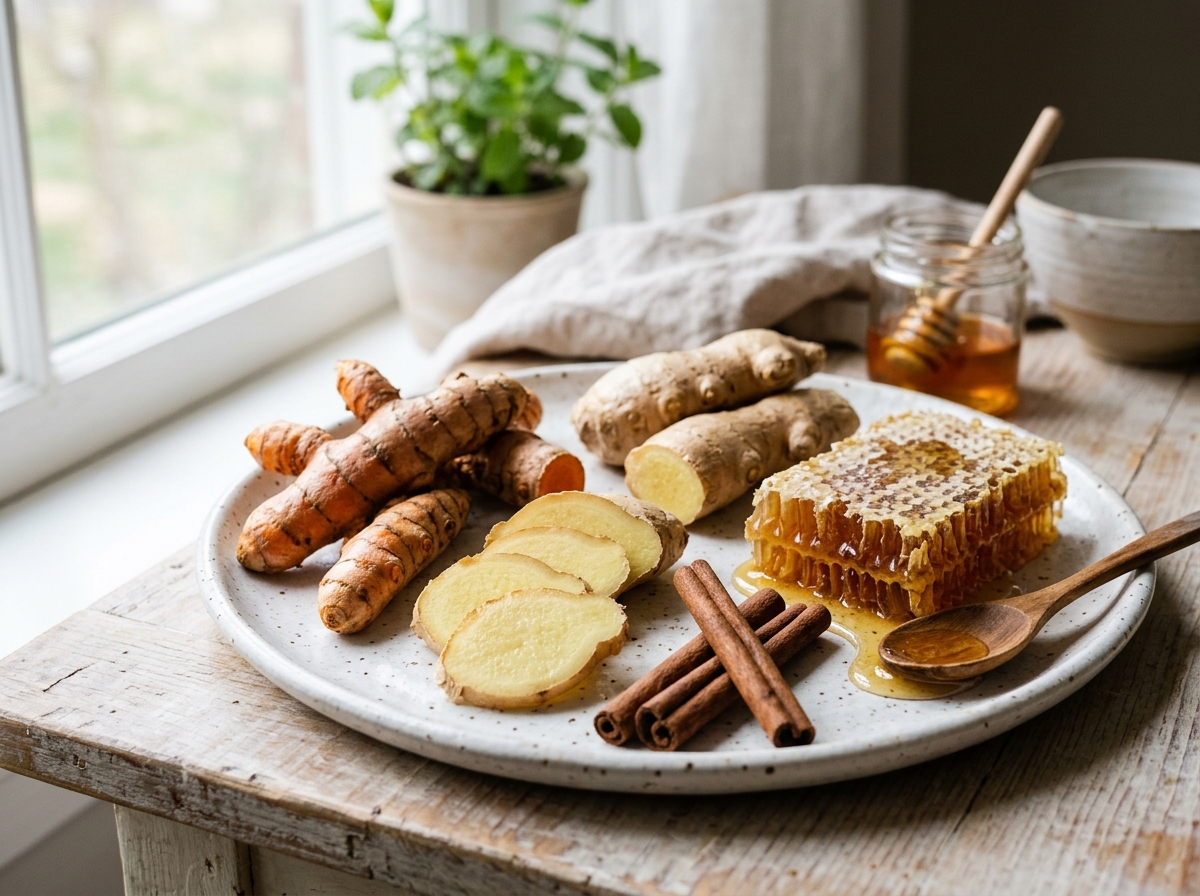
Golden Rhizome Joint & Anti-Inflammatory Protocol
A time-honored Ayurvedic preparation engineered for maximum lipid-bound bioavailability to support flexible joints, reduced morning stiffness, and oxidative defense.