
Rhodiola Rosea & Schisandra Cognitive Resilience Protocol
Golden root rosavins & berry lignans for mental stamina and burnout mitigation
Clinical Abstract & Rationale
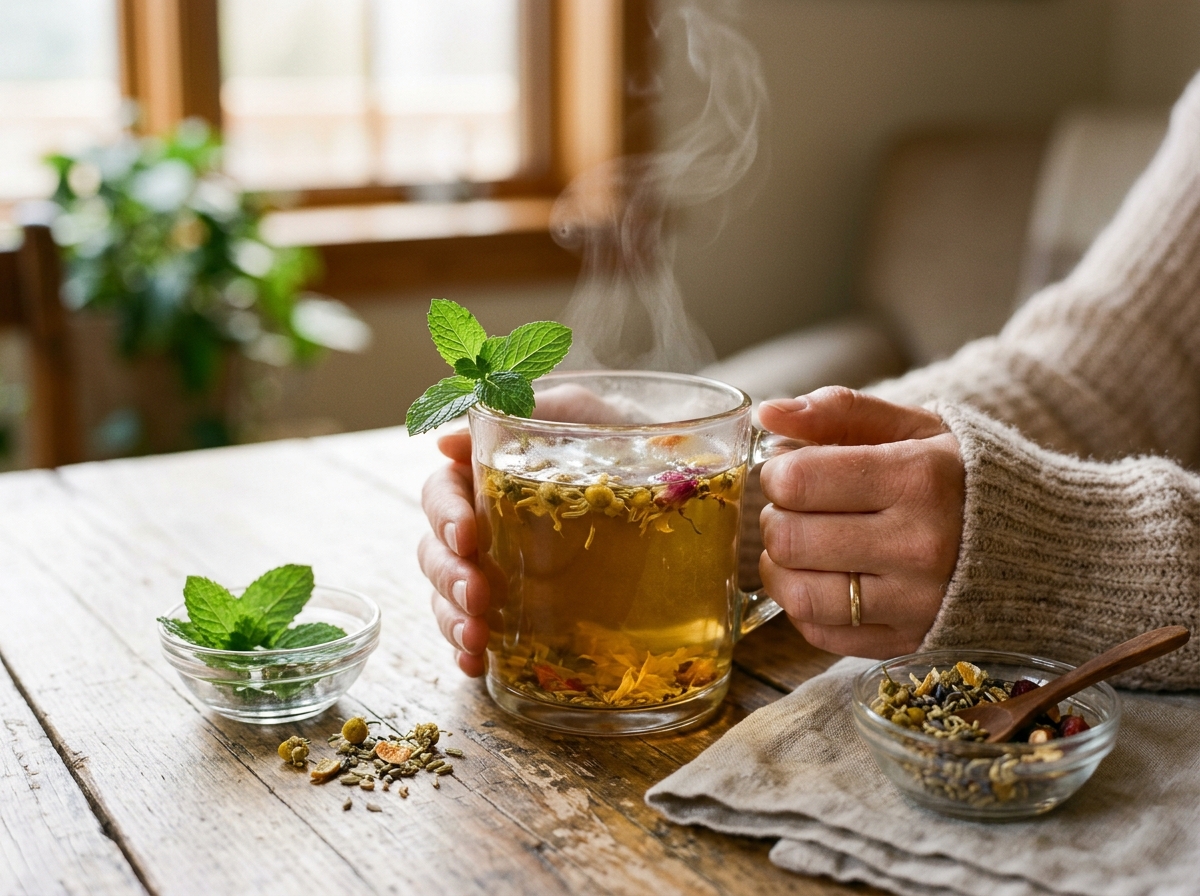
An energizing adaptogenic morning infusion formulated for high cognitive demand, mitigating mental fatigue, brain fog, and adrenal exhaustion during chronic stress.
Originating from Arctic and subarctic mountainous plateaus, Rhodiola rosea synthesizes potent rosavins and salidrosides to survive severe climatic stress. In human physiology, these compounds inhibit catecholamine degradation, maintaining neurotransmitter reserves during intense intellectual and physical exertion.
Pharmacological Mechanism of Action
Salidroside and rosavins inhibit monoamine oxidase degradation of dopamine and serotonin in the prefrontal cortex, elevating mental endurance. Schisandrin B enhances cellular mitochondrial ATP generation while neutralizing stress-induced cortisol peaks.
Botanical Ingredients & Synergists Matrix
Every botanical component is chosen for specific phytoconstituents and biochemical co-factor compatibility.
Rhodiola Root (Golden Root)
Rhodiola rosea
Five-Flavor Berry (Schisandra)
Schisandra chinensis
Rose Petals
Rosa damascena
Master Apothecary Preparation Guide
Follow these sequential extraction instructions to protect delicate volatile terpenes and maximize bio-assimilation.
Chronobiology & Administration Schedule
Consume with or right after breakfast for clean mental stamina.
Drink before the afternoon workload begins. Avoid taking past 3:00 PM due to energizing properties.
Safety Profile & Contraindications
Avoid taking in the late evening, as it may interfere with sleep onset.
Individuals with bipolar disorder with manic tendencies should avoid high-potency Rhodiola.
Peer-Reviewed Clinical Literature
Frequently Asked Questions
Why should Rhodiola be taken early in the day?
Because of its natural dopaminergic and alertness-boosting effects, taking Rhodiola after 3:00 PM can delay nocturnal melatonin release and interfere with sleep onset.
What is the significance of the 3:1 rosavin-to-salidroside ratio?
This 3:1 ratio matches the natural phytochemical distribution found in authentic wild Siberian Rhodiola rosea, ensuring true adaptogenic synergy.
Need a personalized protocol tailored to your biomarkers?
Connect directly with clinical phytotherapists to formulate custom remedies, coordinate drug-herb compatibility, and monitor your long-term vitality.
Related Protocols
View All Articles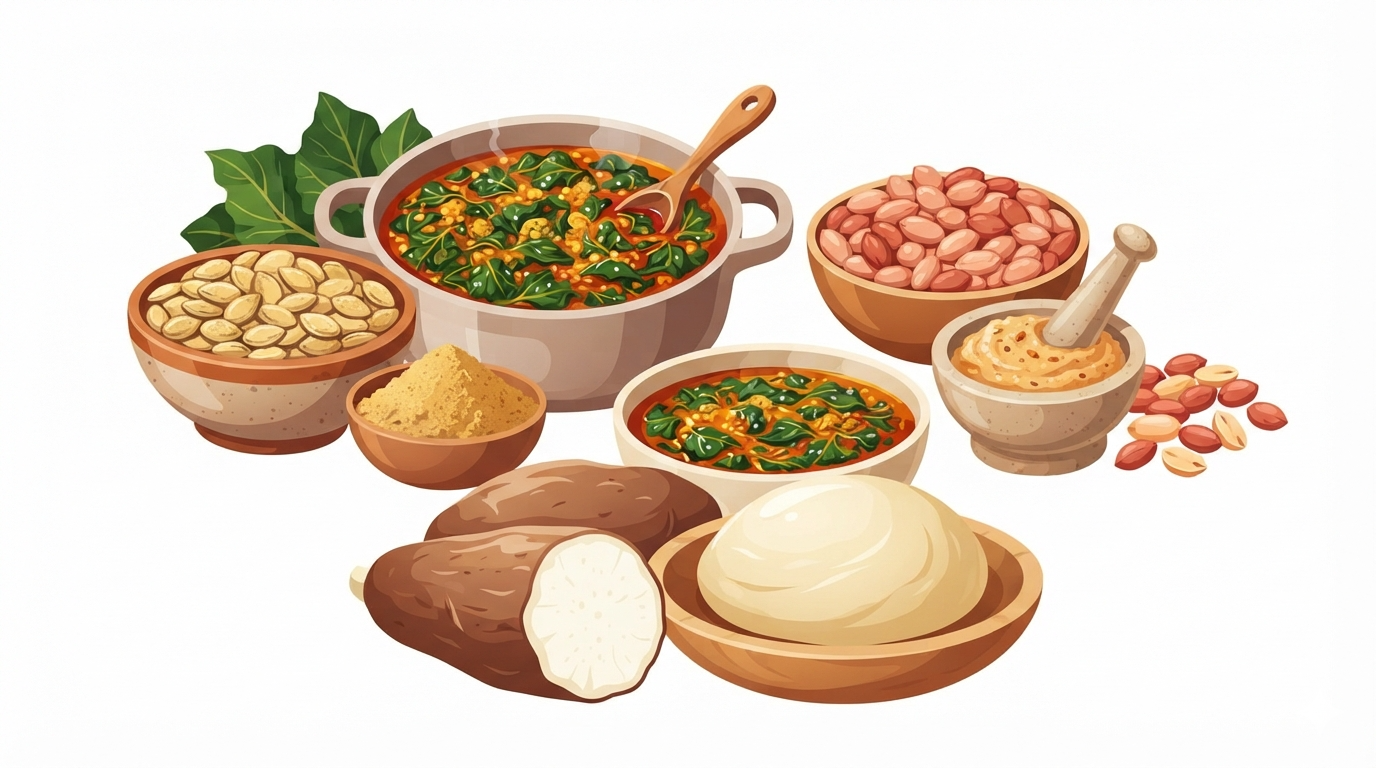
Weight-Gain Essentials
A whole-food weight-gain plate built on egusi, groundnuts and white yam — calorie-dense protein, healthy fats and premium carbohydrates that support lean tissue rather than empty calories.
GABAergic Nervine & Deep Sleep Protocol
A restorative evening infusion harnessing passionflower, lemon balm, and chamomile to soothe an overstimulated central nervous system, quiet mental loops, and lengthen regenerative slow-wave sleep phases.
Golden Rhizome Joint & Anti-Inflammatory Protocol
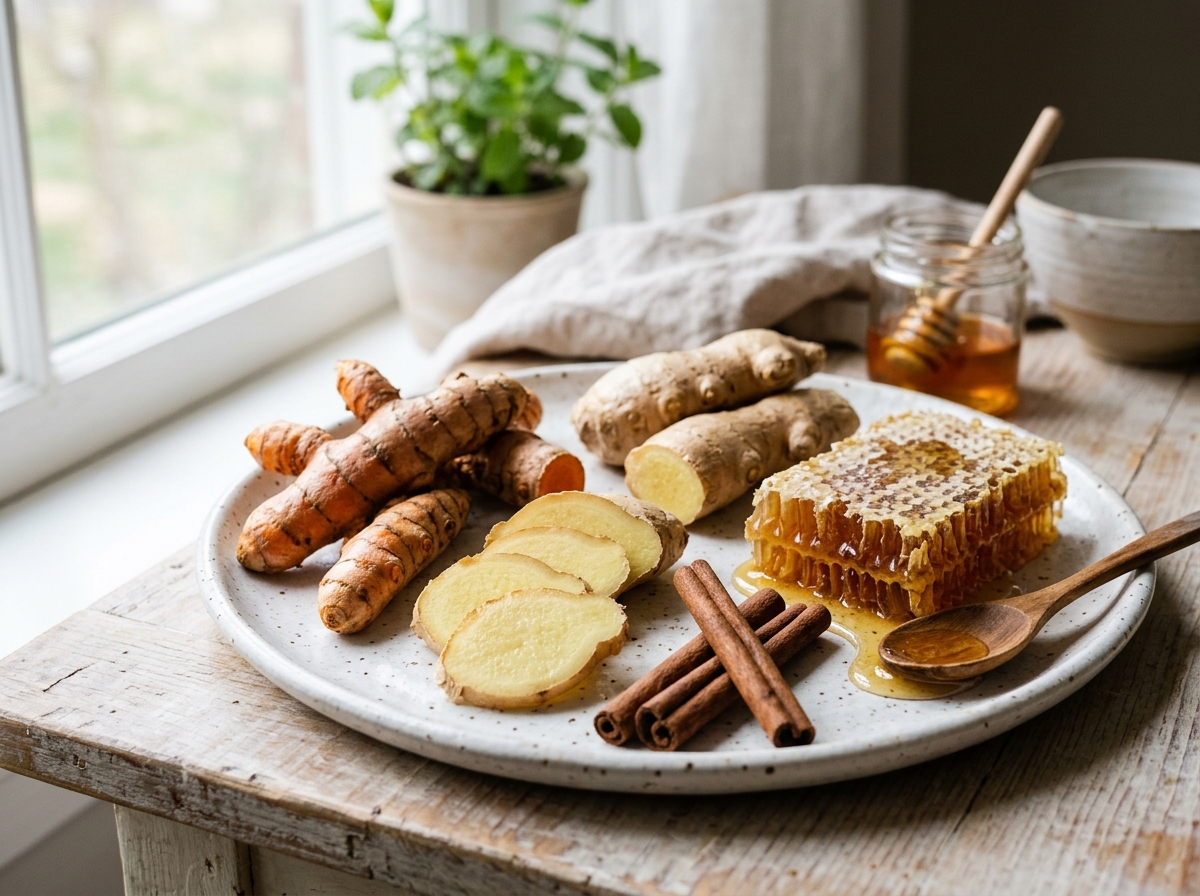
A time-honored Ayurvedic preparation engineered for maximum lipid-bound bioavailability to support flexible joints, reduced morning stiffness, and oxidative defense.